Power Monitoring
KPM31 single-phase DIN Rail Prepaid Energy Meter integrates data acquisition and control functions
Learn More
Industrial facilities consume large amounts of electricity every day, but many companies still struggle to understand where energy is being wasted. Rising electricity costs, inefficient equipment operation, and limited visibility into energy consumption make it difficult for manufacturers to improve energy efficiency.
So, how to identify energy waste in industrial facilities? The most effective approach is to combine accurate energy measurement, real-time monitoring, and data-driven analysis. By using smart energy monitoring solutions, industrial companies can discover hidden energy losses, optimize equipment performance, and build a more efficient energy management strategy.
This guide explains the major causes of industrial energy waste, how companies can identify inefficient energy usage, and how modern monitoring technologies help reduce unnecessary electricity consumption.
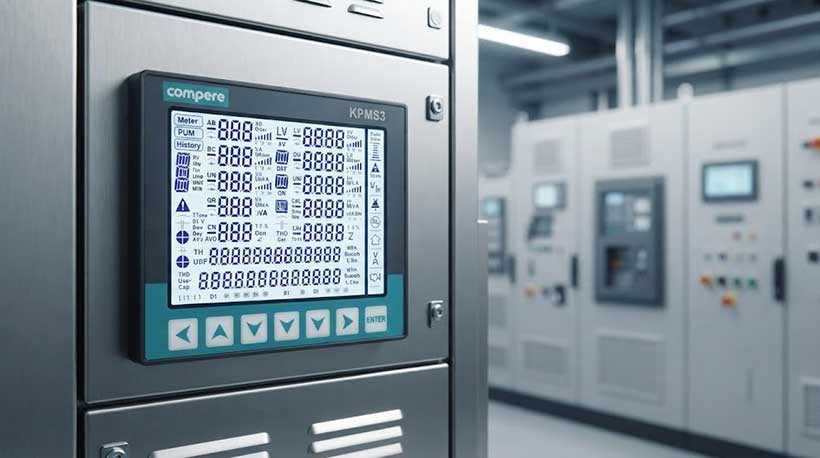
Many industrial companies face significant challenges when managing electricity consumption. Without detailed energy data, facility managers often know that electricity costs are increasing but cannot clearly identify the reasons behind the increase.
Increasing electricity prices have become a major concern for manufacturing companies and industrial facilities. However, high energy bills are not always caused by production growth. In many cases, energy waste exists in daily operations but remains unnoticed.
Common challenges include:
Without accurate electricity consumption analysis, companies cannot determine which areas require improvement or where energy-saving opportunities exist.
Industrial energy waste often comes from equipment that continues consuming electricity inefficiently. Many facilities have machines that consume power even when production demand is low.
Typical sources of hidden energy waste include:
Without continuous monitoring, these problems can remain invisible for months or even years, resulting in unnecessary operating costs.
Large industrial facilities usually contain multiple workshops, production lines, buildings, and electrical circuits. Managing energy consumption across different areas becomes increasingly difficult with traditional measurement methods.
Facility managers may only receive total electricity consumption data, making it difficult to answer important questions such as:
A factory energy monitoring system provides detailed visibility by collecting energy data from different monitoring points, helping companies locate energy waste more efficiently.
Energy optimization requires accurate and timely information. Traditional manual meter reading methods cannot provide continuous energy data, making it difficult to identify consumption changes quickly.
Industrial companies need:
With real-time energy monitoring systems, companies can understand energy behavior and take action before waste becomes a long-term cost burden.
Before implementing an energy-saving strategy, companies need to understand where energy waste comes from. Industrial energy waste is usually caused by inefficient equipment, poor operational management, and lack of monitoring information.
Industrial facilities often contain equipment that consumes a significant amount of electricity, including production machines, motors, heating systems, and processing equipment.
Without detailed monitoring, companies may not know whether equipment is operating efficiently or consuming more energy than expected.
Industrial energy waste analysis helps identify:
Many factories experience unnecessary electricity consumption outside normal production hours. Machines, lighting systems, and auxiliary equipment may continue operating even when they are not required.
Monitoring electricity usage during idle periods helps companies identify avoidable consumption and improve operational control.
Energy consumption can vary significantly between workshops, production lines, and different manufacturing processes. Some areas may consume much more energy than others due to equipment conditions or operational differences.
By comparing energy usage across different areas, companies can identify inefficient sections and develop targeted energy-saving solutions.
Identifying energy waste requires more than checking monthly electricity bills. Industrial companies need a systematic approach that combines energy measurement, data collection, and consumption analysis. The following steps help facility managers discover hidden energy losses and improve energy efficiency.
The first step is to measure electricity consumption at important locations throughout the facility. Instead of only monitoring total power usage, companies should collect data from major energy-consuming areas.
Common monitoring devices include:
Installing monitoring devices at production lines, machines, and distribution points allows companies to understand how electricity is being used throughout the facility.
After installing monitoring devices, the next step is collecting detailed electricity data. Accurate measurement provides the foundation for industrial electricity monitoring and energy optimization.
Important parameters include:
With continuous data collection, facility managers can identify consumption patterns and understand how different equipment affects overall energy usage.
Raw energy data becomes valuable when it is analyzed properly. By reviewing consumption trends, companies can discover abnormal energy usage and potential waste.
Energy analysis can help identify:
This electricity consumption analysis enables companies to make decisions based on actual operational data instead of assumptions.
After identifying energy waste, companies can implement improvement strategies. These actions may include adjusting equipment operating schedules, improving maintenance plans, and optimizing production processes.
Common energy optimization actions include:
Modern industrial energy management relies on accurate measurement devices and digital monitoring platforms. These technologies help companies transform electricity consumption data into actionable energy-saving opportunities.
Smart energy meters are the foundation of industrial energy monitoring solutions. They measure electricity consumption from different circuits and provide detailed data for analysis.
For industrial applications, smart energy meters can help:
Industrial facilities usually require remote data collection because monitoring points may be distributed across different areas.
Communication solutions enable:
This allows facility managers to monitor energy performance without manually checking individual meters.
An energy management platform helps companies visualize and analyze collected electricity data. Instead of viewing isolated numbers, users can understand complete energy consumption patterns.
Key functions include:
Energy monitoring solutions are widely used in different industrial environments where companies need better control over electricity consumption and operating costs.
Manufacturing facilities often contain multiple production lines and high-power equipment. Monitoring electricity usage helps managers understand energy consumption at each production stage.
Applications include:
Large industrial campuses may include multiple buildings, warehouses, and production areas. A centralized energy monitoring approach helps companies manage distributed energy consumption more effectively.
Benefits include:
Existing factories often have significant opportunities for energy improvement. Energy monitoring systems provide the data required before and after efficiency upgrades.
They help companies:
Industries with continuous production processes especially benefit from energy monitoring solutions. Manufacturing plants, processing facilities, and industrial production sites can use detailed energy data to control operating costs.
A reliable energy monitoring solution does not simply collect electricity data. It helps companies understand energy behavior and take practical actions to reduce waste.
Key benefits include:
Selecting the right monitoring solution depends on facility requirements, energy management goals, and future expansion plans. Companies should evaluate several important factors before implementation.
Before choosing equipment, companies should define their monitoring objectives, including:
Industrial facilities often expand production capacity over time. A flexible energy monitoring solution should support future requirements, including additional equipment and new monitoring locations.
Professional technical support is important for successful implementation. A reliable supplier should provide assistance with:
Every industrial facility has different energy consumption characteristics. A customized monitoring approach helps companies select suitable measurement devices and build an effective energy management system based on their actual requirements.
As an experienced smart energy meter manufacturer, Compere focuses on providing industrial energy monitoring solutions designed for factories, energy management companies, and system integrators.
Through professional solution design, reliable measurement products, and technical support, companies can gain better visibility into electricity consumption and develop practical strategies for improving energy efficiency.
The main causes include inefficient equipment operation, standby power consumption, aging machines, poor energy management practices, and lack of detailed consumption data.
Smart energy meters provide detailed electricity consumption data from different equipment and areas, helping companies identify abnormal usage patterns and energy-saving opportunities.
Yes. By identifying unnecessary consumption and improving equipment operation efficiency, energy monitoring systems help factories reduce electricity waste and control operating costs.
A complete solution usually includes smart energy meters, measurement devices, communication solutions, and an energy management platform for data analysis and monitoring.
Our engineering team can help you select the right smart meter and monitoring solution based on your industrial application requirements.

Power Monitoring
KPM31 single-phase DIN Rail Prepaid Energy Meter integrates data acquisition and control functions
Learn More
Power Monitoring
The KPM33 Three-phase DIN-rail 4G Prepaid Energy Meter is designed for DIN-rail mounting.
Learn More
Power Monitoring
The KPM37 4G Three-phase OEM Energy Meter features a 35mm DIN rail mounting design and an LCD display.
Learn MoreCompere provides the integrated energy management solution including online monitoring, analyzing, reporting, controlling, maintenance, production management, prediction, and other functions. We offer u technical support and professional solution at 7*24h service.
Unit 1, Building 38, LIANDONG U Valley, No. 352 Lianhua Street, High-tech Zone, Zhengzhou, China
Our helpline is always open to receive any inquiry or feedback.Please feel free to drop us an email from the form below and we will get back to you as soon as we can.
Compere mainly provides kpm series smart energy meters. If you have any needs, please feel free to contact us.